
SABA · DUTCH CARIBBEAN
Dive the Extraordinary.
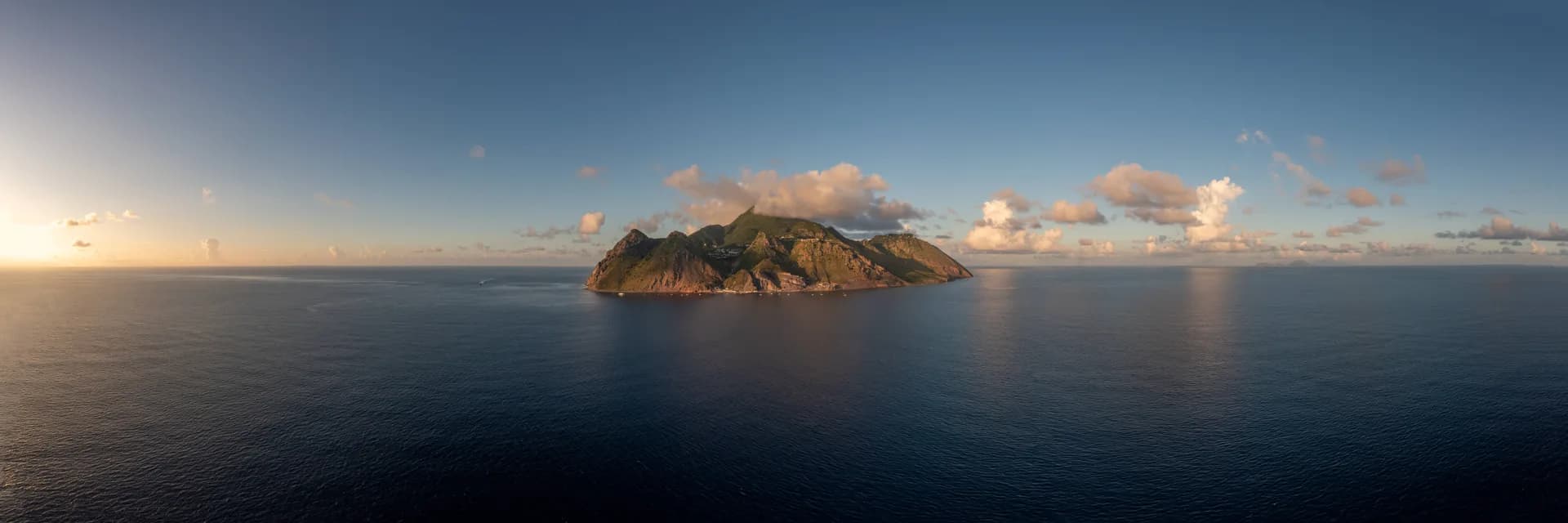
Just 5 square miles above.
Some of the Caribbean's most unique diving below.
Saba is just different.
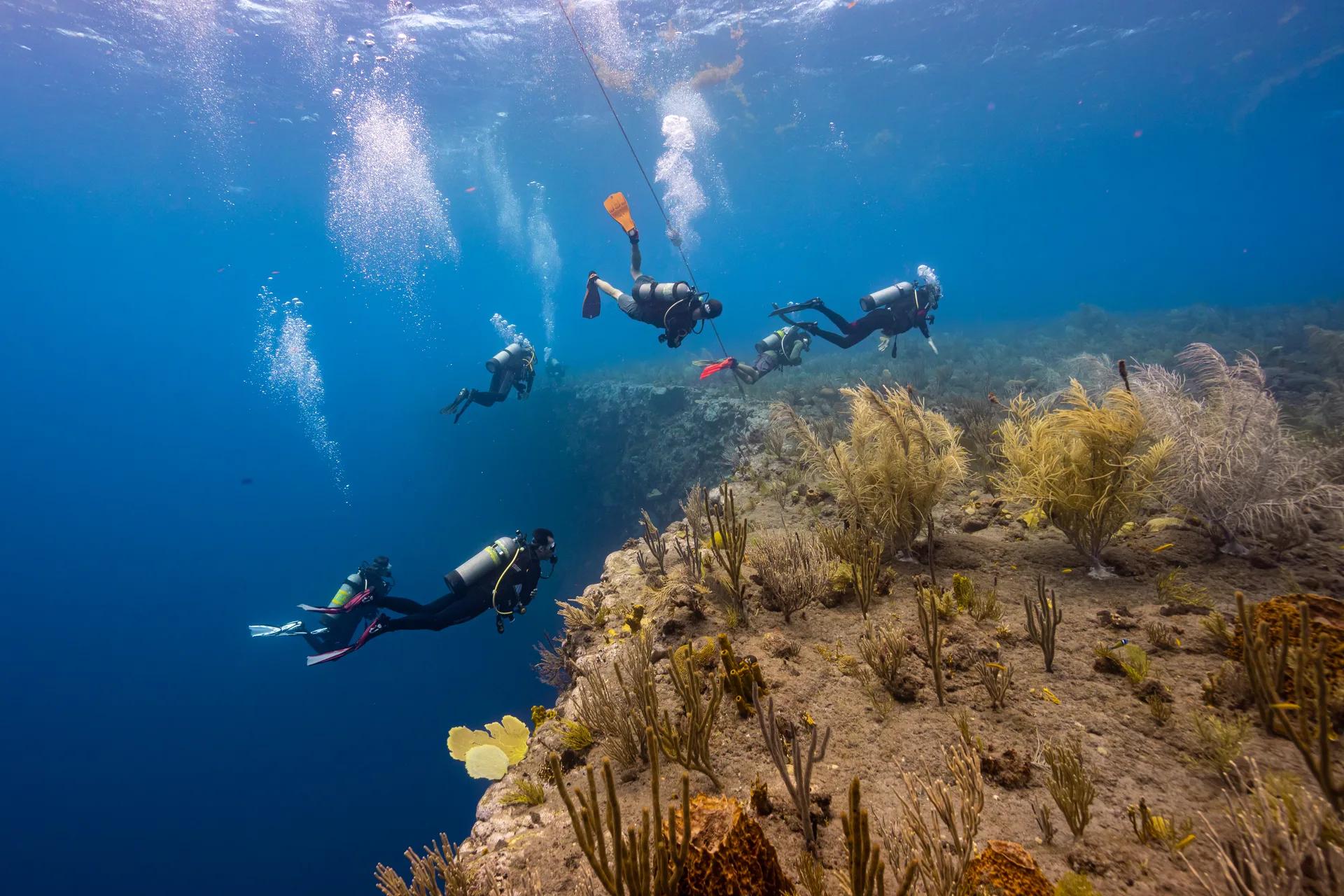
The island feels different from anywhere else in the Caribbean, both above and below the surface. Volcanic terrain, protected reefs, and welcoming communities create a distinctive diving experience. Sea Saba has introduced divers to this island since 1985.
World-Famous Pinnacles
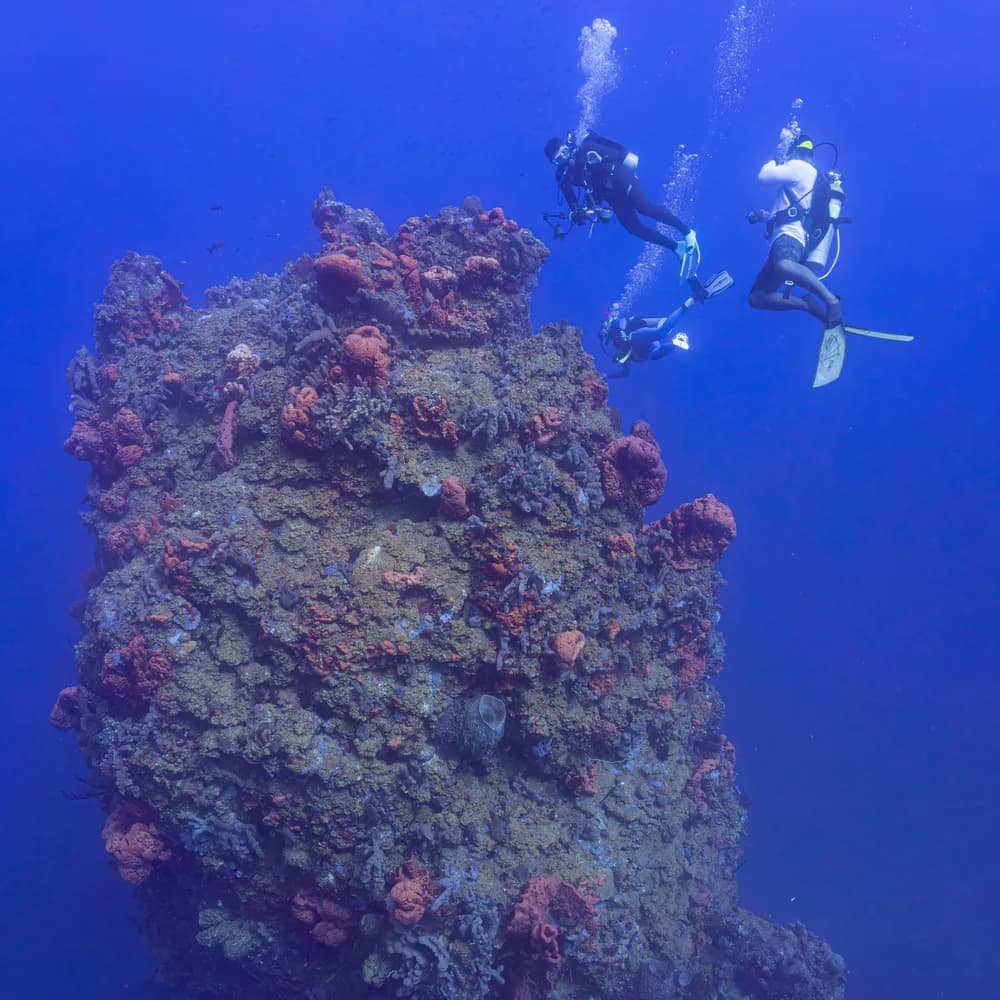
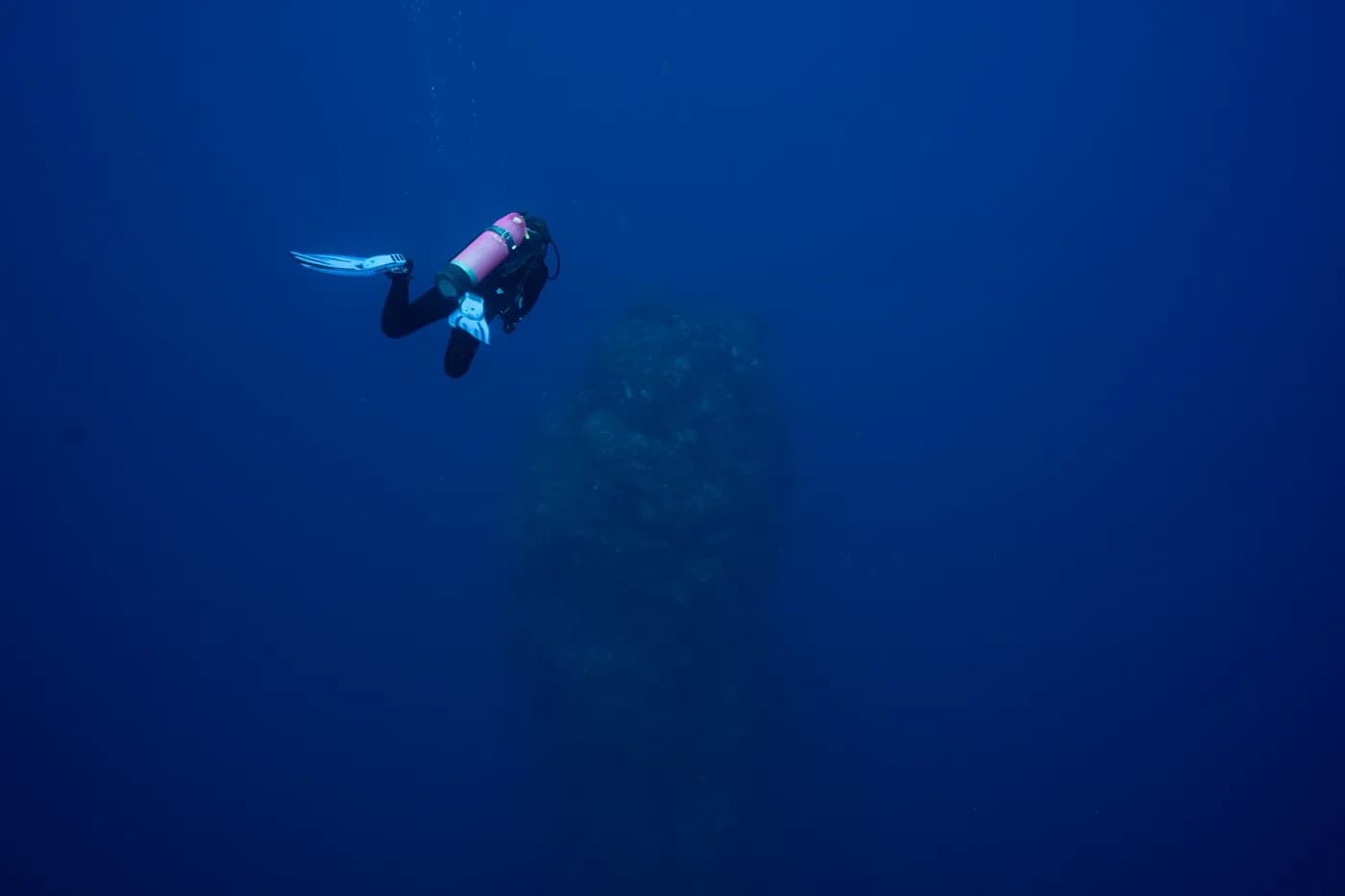
Saba's volcanic origins created underwater pinnacles that rise from the deep. These dramatic formations support vibrant marine life and memorable dives.
Uncrowded by Design
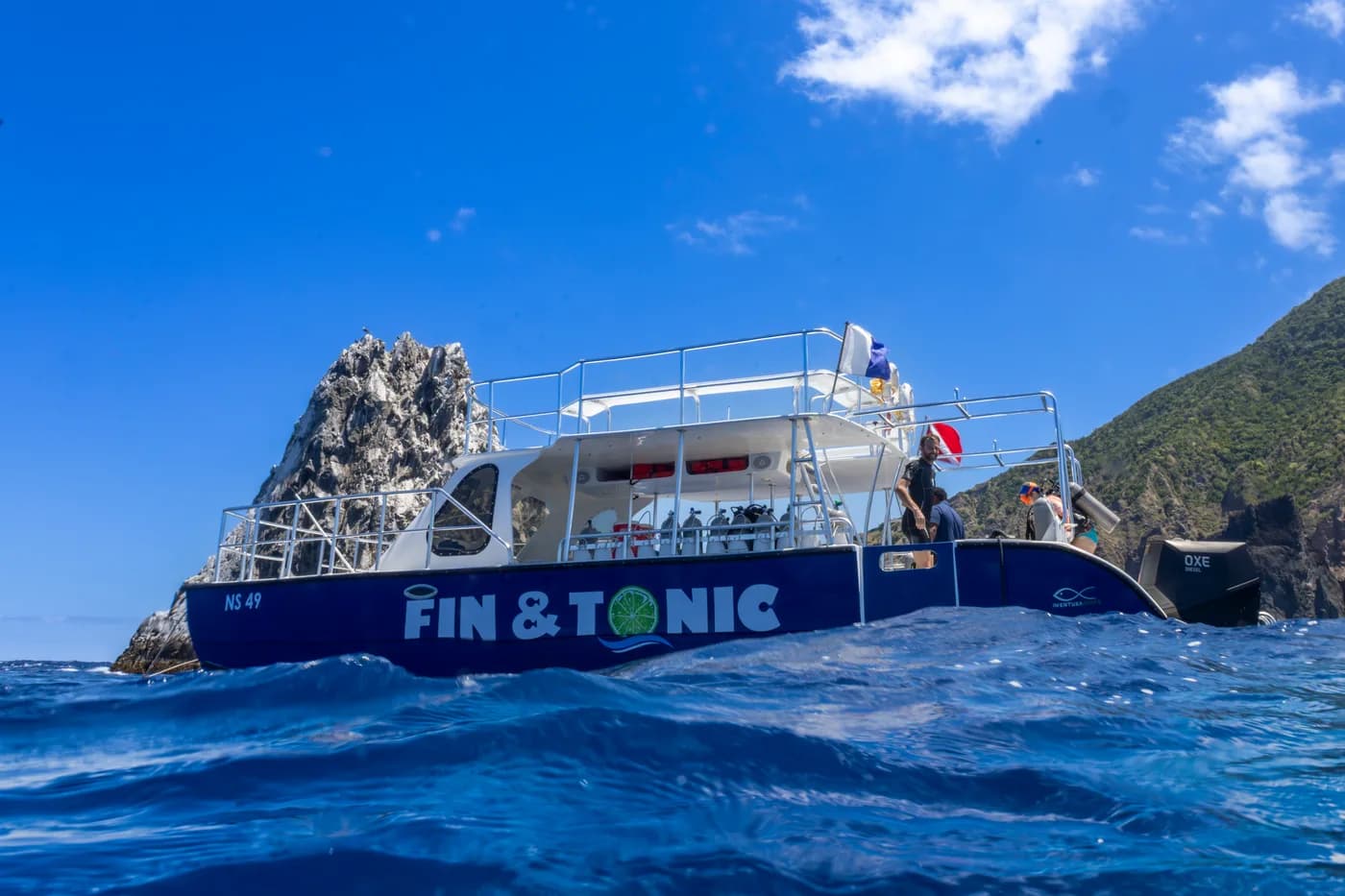
Without large resorts or mass tourism, the island feels quieter and more personal. Small dive groups and uncrowded sites create a relaxed pace above and below the surface.
Small Island, Big Heart
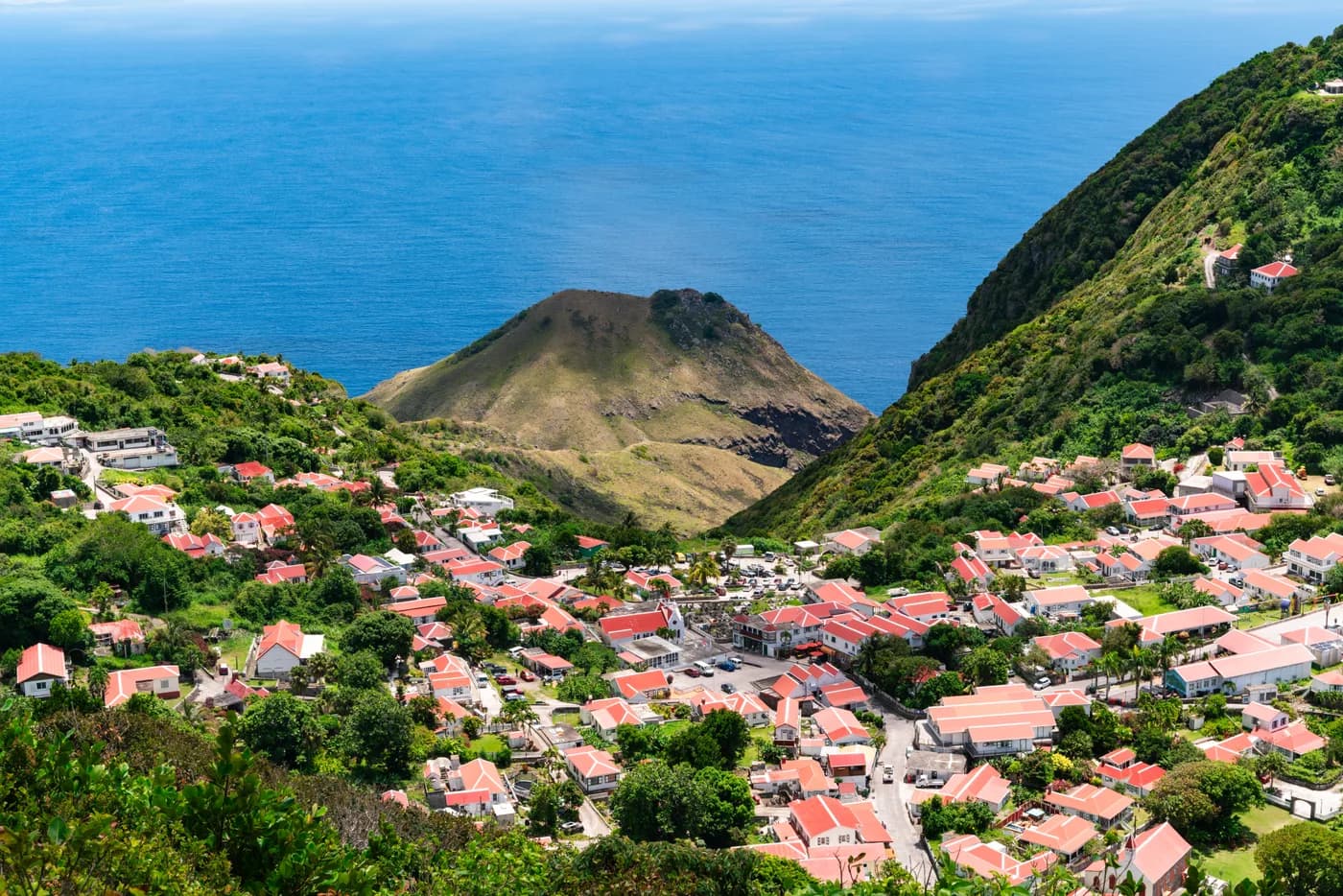
Our greatest asset isn't found underwater. It's the people: friendly villages, genuine island hospitality, and a crew that has been diving these reefs for decades.
Protected Since 1987
The Saba National Marine Park has actively protected local waters since 1987. That long-standing stewardship helps preserve the reefs and marine life that make the island distinctive.
Encounters That Feel Wild
Protected waters and low diving pressure let marine life behave naturally. Sharks, turtles, and rays are regular encounters, so every dive can bring something extraordinary.
Active Conservation
Every Sea Saba dive includes a conservation contribution supporting the Saba Conservation Foundation, which manages the Saba National Marine Park and its mooring system.
The Dives That Made Saba Famous.
Ancient volcanic forces created one of the Caribbean's most spectacular underwater landscapes. Towering seamounts, dramatic walls, coral reefs, and volcanic lava formations make each part of the island distinct.
The Pinnacles
Volcanic peaks rising from the deep.
Towering volcanic seamounts rise from the deep blue, attracting sharks, turtles, schooling fish, and unforgettable pelagic encounters that define Saba diving.
Explore The Pinnacles dive sites →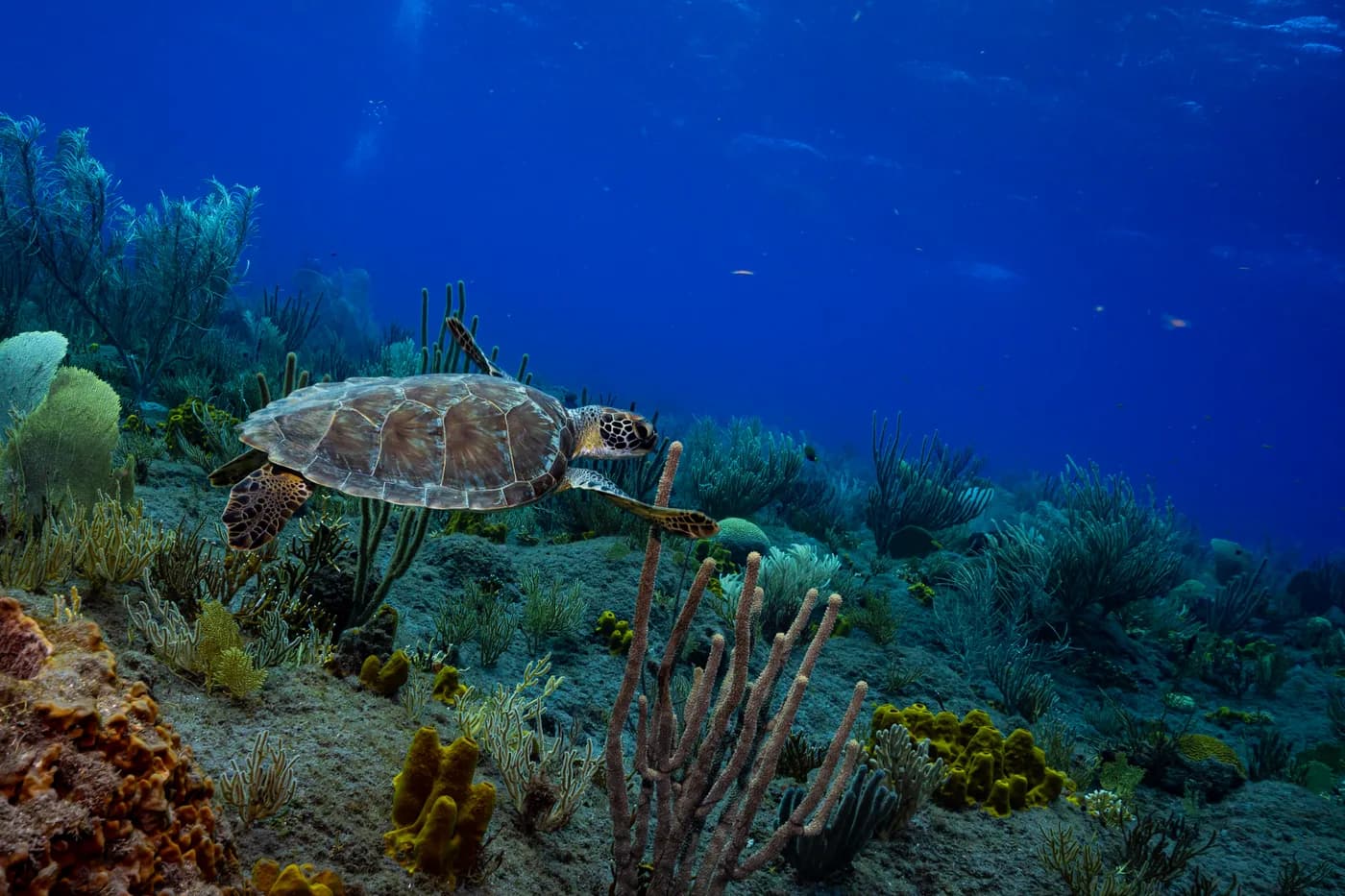
Tent Reef
Something different on every dive.
Coral gardens, mini walls, canyons, swim-throughs, and dramatic drop-offs sit minutes from Fort Bay Harbor.
Explore Tent Reef dive sites →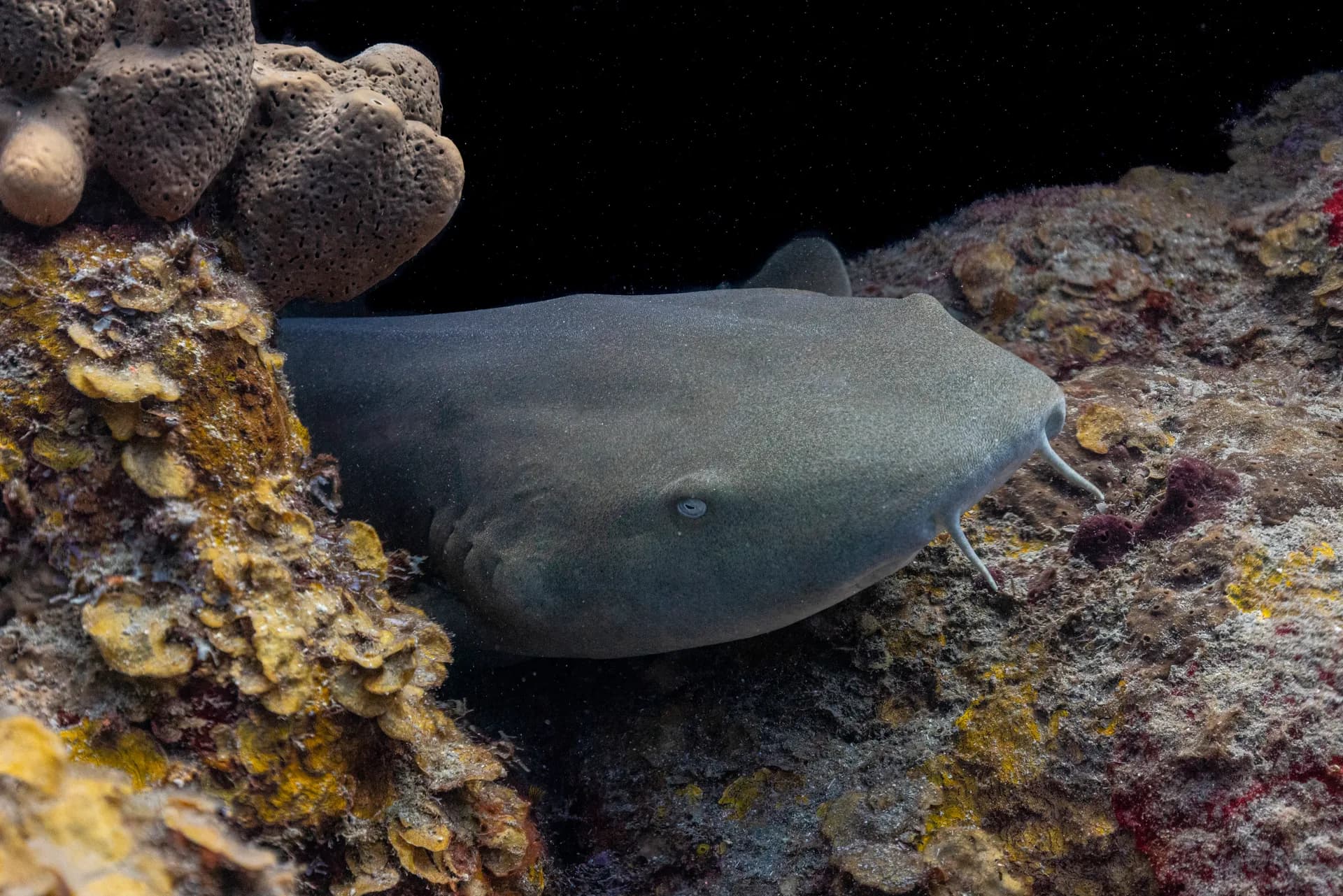
Ladder Bay
History meets volcanic geology.
Explore lava formations, underwater hot springs, coral-covered boulders, and resting turtles. The macro life is among the Caribbean's best.
Explore Ladder Bay dive sites →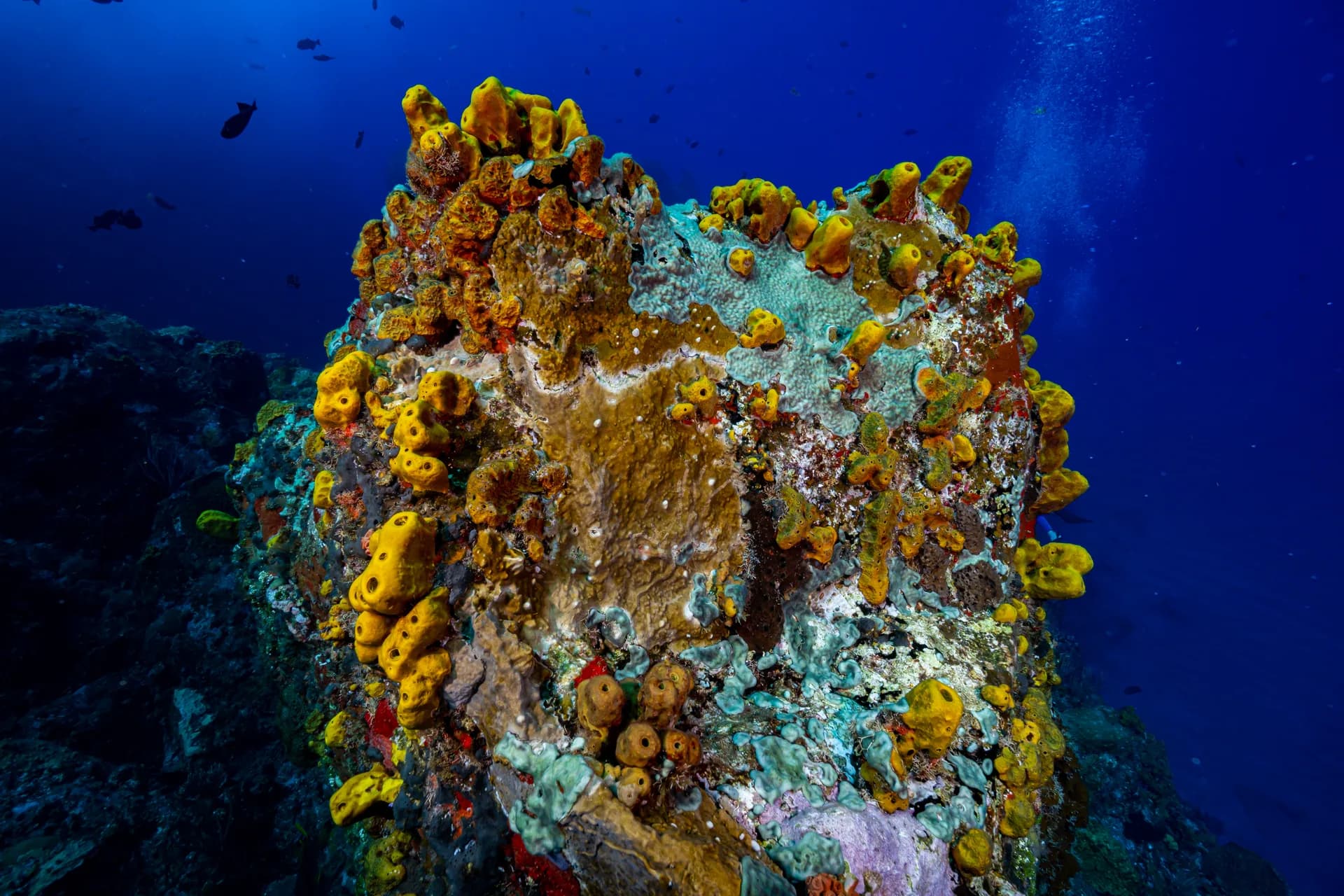
Wells Bay
Classic Caribbean reef diving.
Healthy coral reefs, turtles, and reef sharks create spectacular scenery. Diamond Rock and Man O' War Shoals offer long, relaxing dives.
Explore Wells Bay dive sites →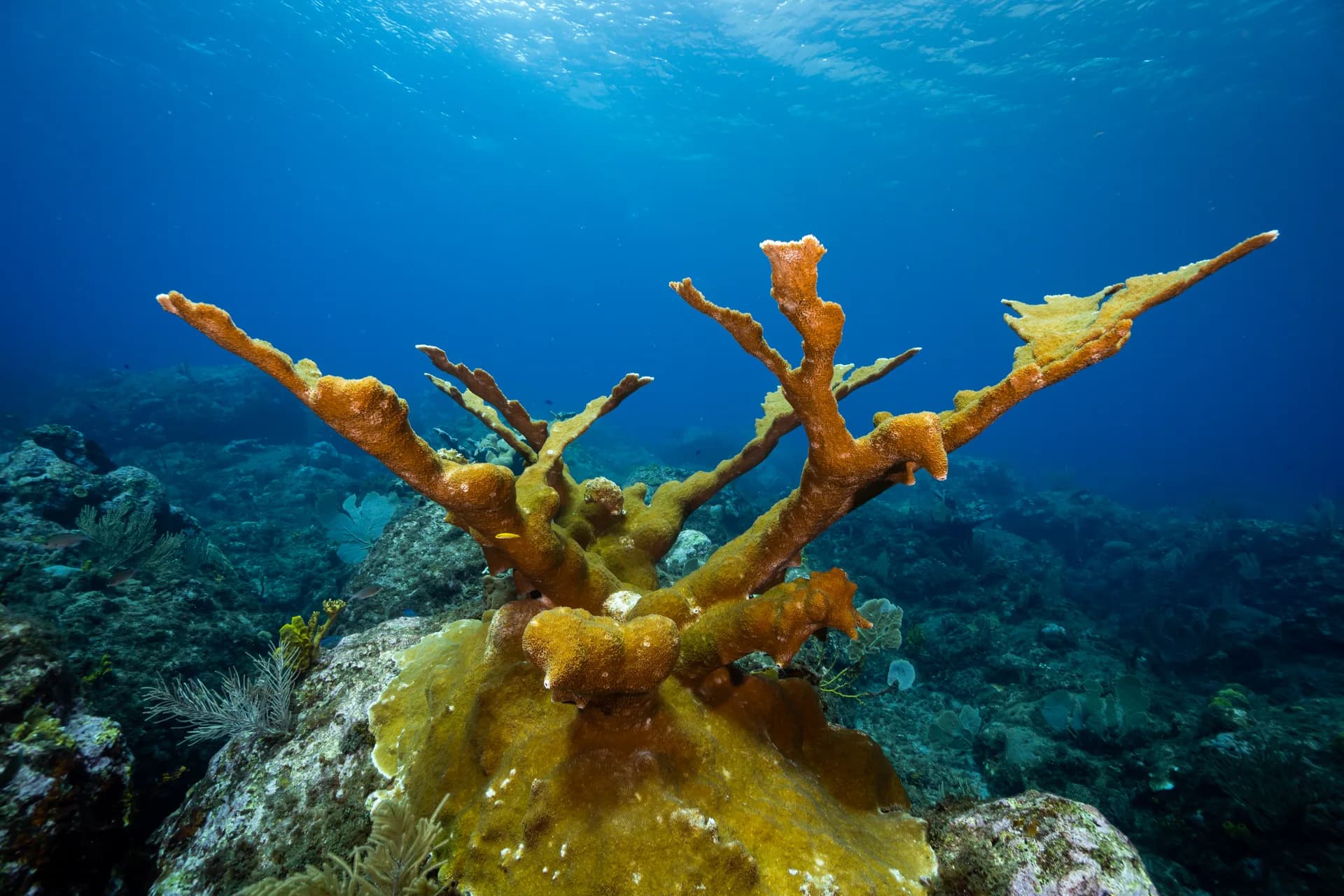
Windwardside
A completely different side of Saba.
White sand and thriving hard corals form the island's only true coral reefs. The result is a vibrant landscape unlike anywhere else around Saba.
Explore Windwardside dive sites →Straight from our dive team
This Week Beneath the Surface.
Real observations from our dive team over the past seven days in Saba (November 21 to 27, 2026).
- Average water temperature
- 85°F/ 29°C
- Dive sites visited
- 11
- Turtle sightings
- 55
- Shark sightings
- 42
Sightings are recorded by our dive guides and represent observed encounters, not necessarily unique animals. Statistics are updated approximately hourly.
Explore Our Dive Log →Plan Your Trip.
Getting to Saba takes a little planning. The reward is one of the Caribbean's most unforgettable destinations.
Getting Here
Closer than you think.
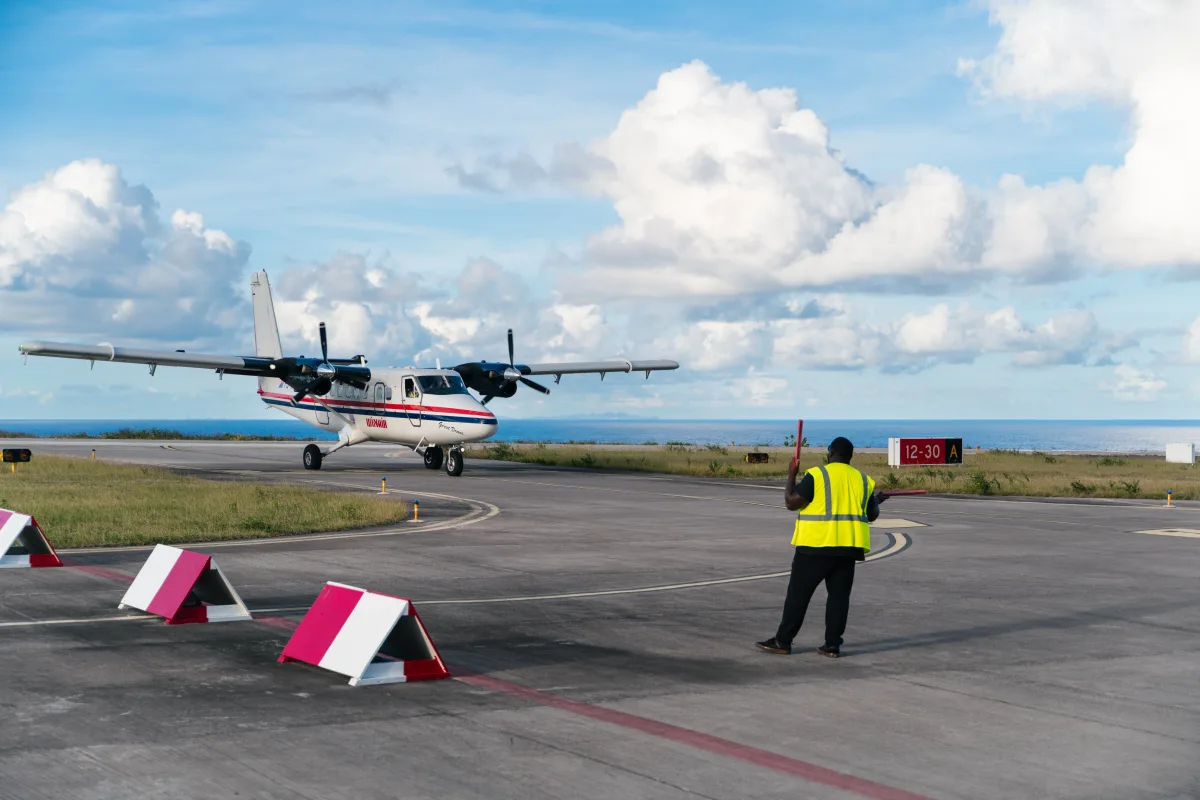
Just 15 minutes from St. Maarten.
Most visitors arrive via St. Maarten, connecting to Saba by Winair or high-speed ferry. The journey is part of the adventure, and the views are unforgettable.
Flights and Ferries →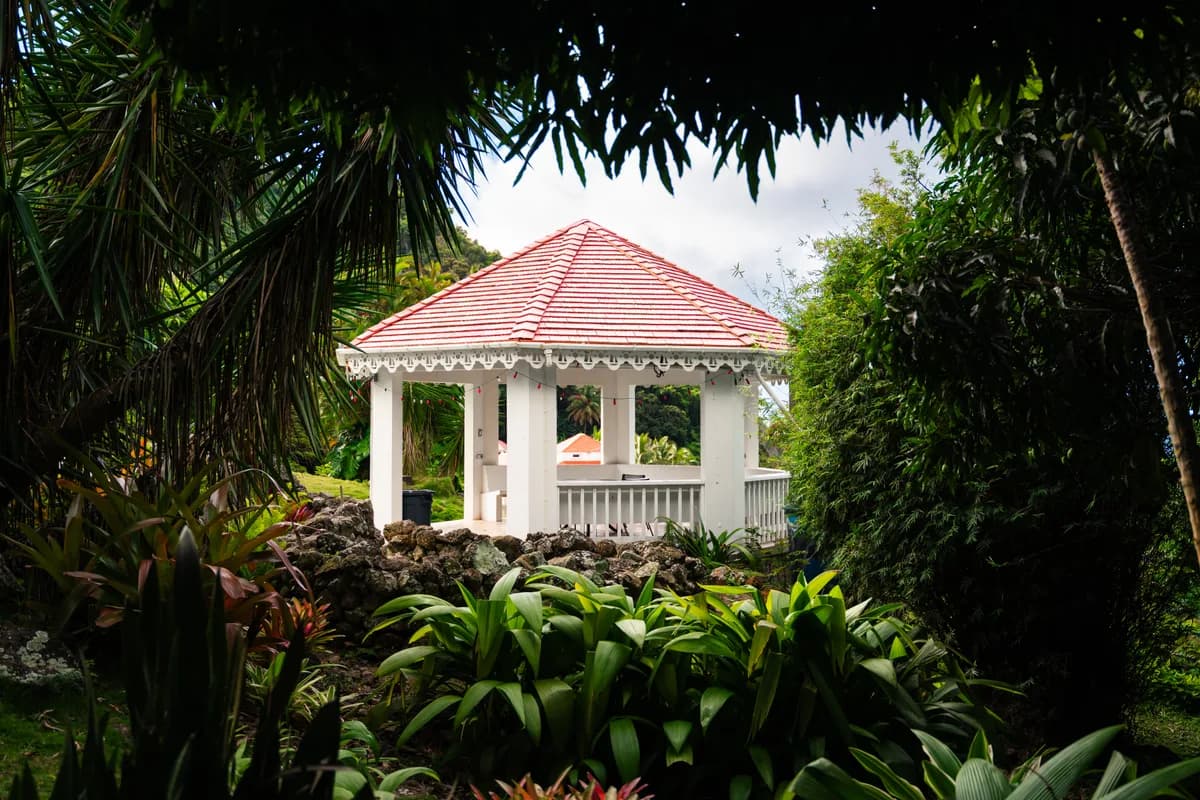
Where to Stay
Small hotels. Big hospitality.
From charming cottages to boutique hotels, Saba's accommodations reflect the island's relaxed pace and welcoming spirit.
Explore accommodations →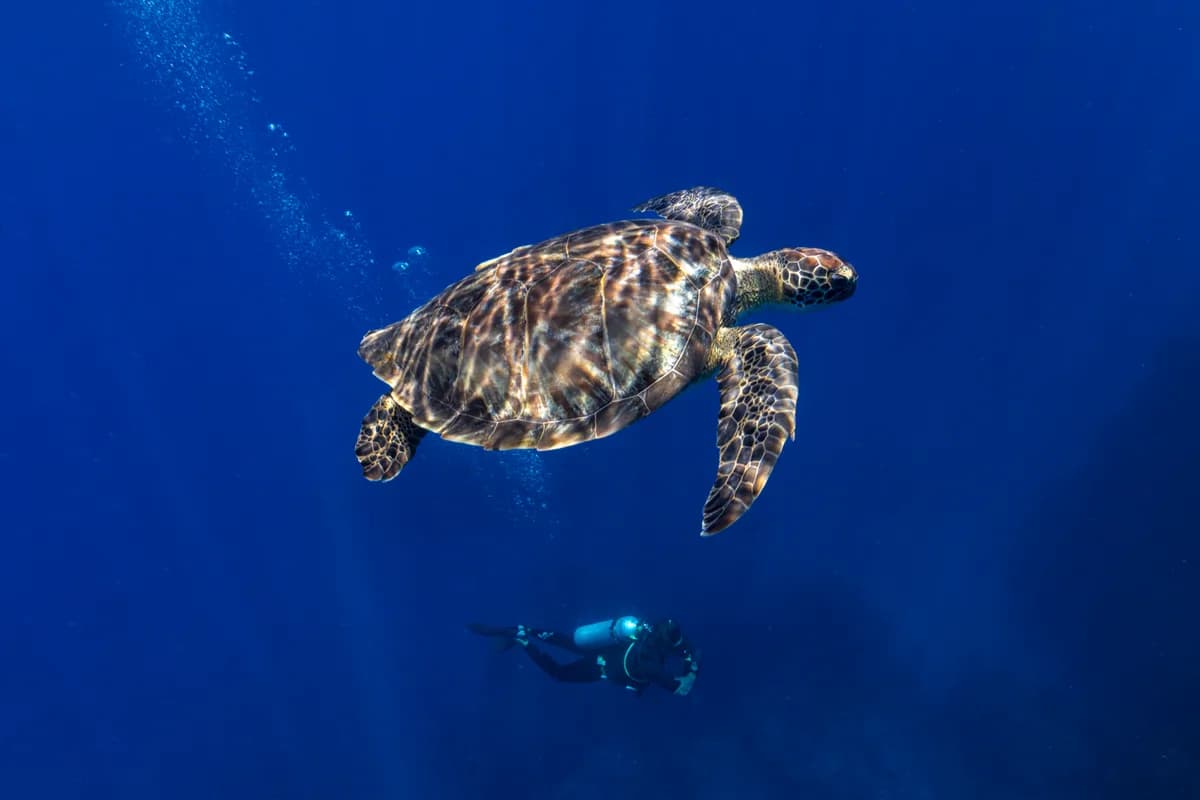
When to Visit
Great diving year-round.
Every season brings something different, but there is no bad time to visit Saba. Warm water, healthy reefs, and changing marine life make every month rewarding.
When to visit →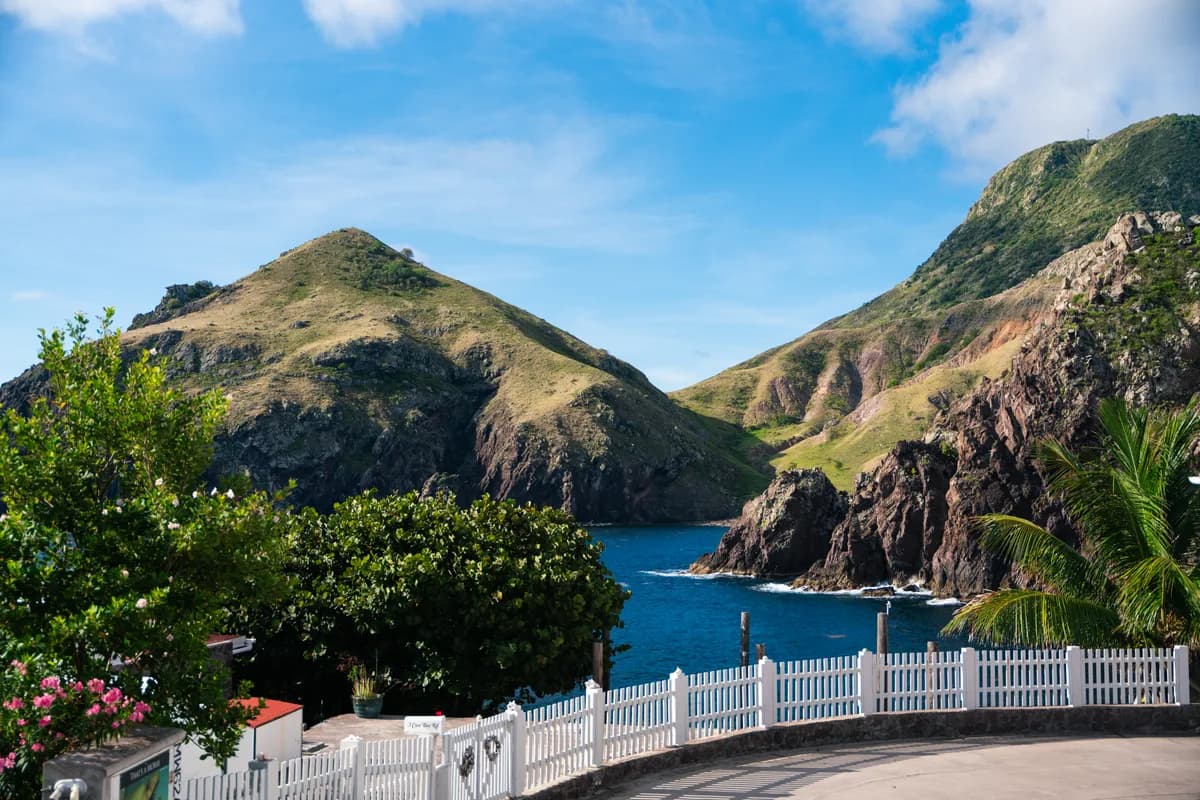
Island Life
Small island. Big welcome.
Safe villages, friendly people, and no crowds. Many visitors return year after year, and some never really leave.
Discover Saba →Frequently Asked Questions About Diving in Saba
Find answers to common questions about diving with Sea Saba.
What makes diving in Saba different?
Saba's volcanic pinnacles, protected marine park, and near-total lack of crowds produce diving found nowhere else in the Caribbean. All of our dive sites sit inside the park, minutes from the harbor.
Is Saba suitable for beginner divers?
Yes. Scuba Diver-certified guests can join our Classic 2-tank and afternoon trips with a private guide, and divers who aren't certified yet can start with a Try Scuba or Open Water course.
What is included in a Sea Saba diving trip?
Complimentary taxi pickup anywhere on Saba, tanks, weights, and an experienced dive guide are included. Recreational groups have a maximum of 8 divers per guide. Rental equipment and dive computers are available. A conservation contribution of $4 per diver, per dive applies. See our diving page for full details.
Is Nitrox included?
Yes. Certified Nitrox divers get complimentary 32% Nitrox on qualifying dives, no extra charge. Details in the Nitrox section.
When is the best time to dive Saba?
Saba offers good diving year-round; every season brings different marine life and conditions. See the season-by-season guide for detail.
How do I get to Saba?
Most visitors fly into St. Maarten, then connect to Saba by a short Winair flight or high-speed ferry. Routes and tips are on getting here.
Ready to dive Saba?
Book directly with Sea Saba. Small groups, experienced guides, and diving that keeps people coming back year after year.