
Plan Your Trip to Saba
Everything you need to know before you arrive
Saba is a five-square-mile volcanic island in the Caribbean Netherlands. With no cruise ships and no large resorts, Saba offers a quiet and authentic Caribbean experience that divers consistently describe as one of their favorite destinations.
Getting to Saba
Winair
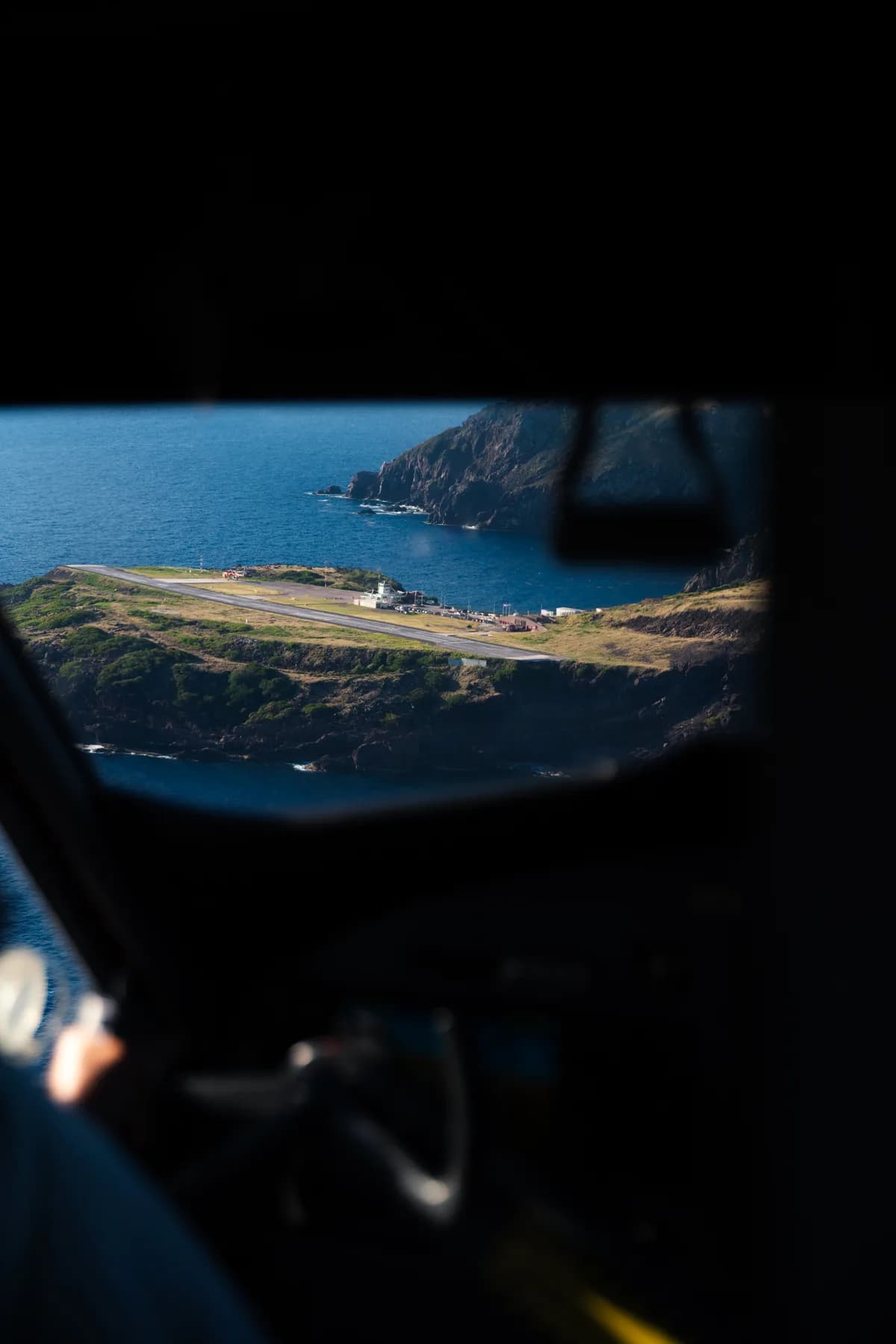
Most visitors arrive via St. Maarten (SXM) and connect to Saba aboard Winair's iconic Twin Otter. The short flight offers one of the world's most spectacular airport approaches.
- Approximately 12-minute flight
- 19-seat DHC-6 Twin Otter
- Multiple departures daily
- Lands at the world's shortest commercial runway
Makana Ferry
The Makana Ferry provides a comfortable and scenic connection between St. Maarten and Saba, offering beautiful Caribbean views along the way.
- Approximately 90-minute crossing
- Air-conditioned passenger cabin
- Open sun deck
- Onboard refreshments
West Indies Helicopters
West Indies Helicopters offers luxury helicopter transfers from St. Maarten and St. Barths, providing the fastest and most flexible way to reach Saba.
- Airbus H125 / AS350 helicopters
- Up to 5 passengers
- Approximately 20–25 minute flight
- Ideal for private transfers
SXM Airways
SXM Airways operates scheduled flights between St. Maarten and Saba aboard the iconic Britten-Norman Islander, offering a classic Caribbean island-hopper experience with reliable regional service.
- 9-seat Britten-Norman Islander
- Scheduled flights between St. Maarten and Saba
- Classic island-hopper experience
- Reliable regional carrier
Visiting by Yacht?
Cruising yachts and sailboats clear in at Fort Bay, a short walk from our dive center. The dedicated guide covers arrival and clearance, Marine Park moorings, coming ashore, and how to dive with Sea Saba while your vessel is in Saba.
If Your Travel Plans Change
Flights and ferries between St. Maarten and Saba run reliably, but weather and connections occasionally shift schedules — a normal part of reaching a small island. If your flight is delayed, the ferry is disrupted, or you'll arrive later than expected, contact us or message us on WhatsApp as soon as you know.
If sea conditions require us to change a trip, we'll work with you to reschedule or refund the affected portion. Travel insurance covering trip delays is strongly recommended (see When to Visit), and our cancellation and rescheduling policies are on the Terms page.
When to Visit
December – April
Clear Water & Humpback Whales
- Clearest water and excellent visibility.
- Humpback whales frequently seen January through April.
- Christmas winds bring breezier conditions and occasionally rougher seas.
- Saba Day is the first Friday of December.
May – June
Warm Water & Fewer Crowds
- Warm water and reliable diving.
- Smaller crowds and relaxed atmosphere.
- Excellent time for underwater photography.
- Great for longer dive vacations.
- Generally lighter winds and comfortable sea conditions.
July – November
Calm Seas & Island Festivals
- Late summer and fall often bring calm seas and excellent diving conditions when no tropical systems are nearby.
- July features Carnival.
- October features Sea & Learn.
- November features Rum & Lobster Fest.
Water Temperature
77–86°F (25–30°C)
Warm year-round, coolest in February.
Visibility
80–100+ ft
Often exceeding 100 feet in winter.
Humpback Whale Season
January – April
Festivals
July, October, November & December
Carnival, Sea & Learn, Rum & Lobster Fest, and Saba Day.
Travel Insurance Recommended
Because Saba is a small island served by flights and ferries, weather occasionally affects travel plans. We strongly recommend travel insurance for all visitors, regardless of season. Coverage for trip delays, weather disruptions, and medical emergencies provides peace of mind. Dive accident insurance and emergency medical evacuation coverage are also strongly recommended.
Where to Stay
Accommodation
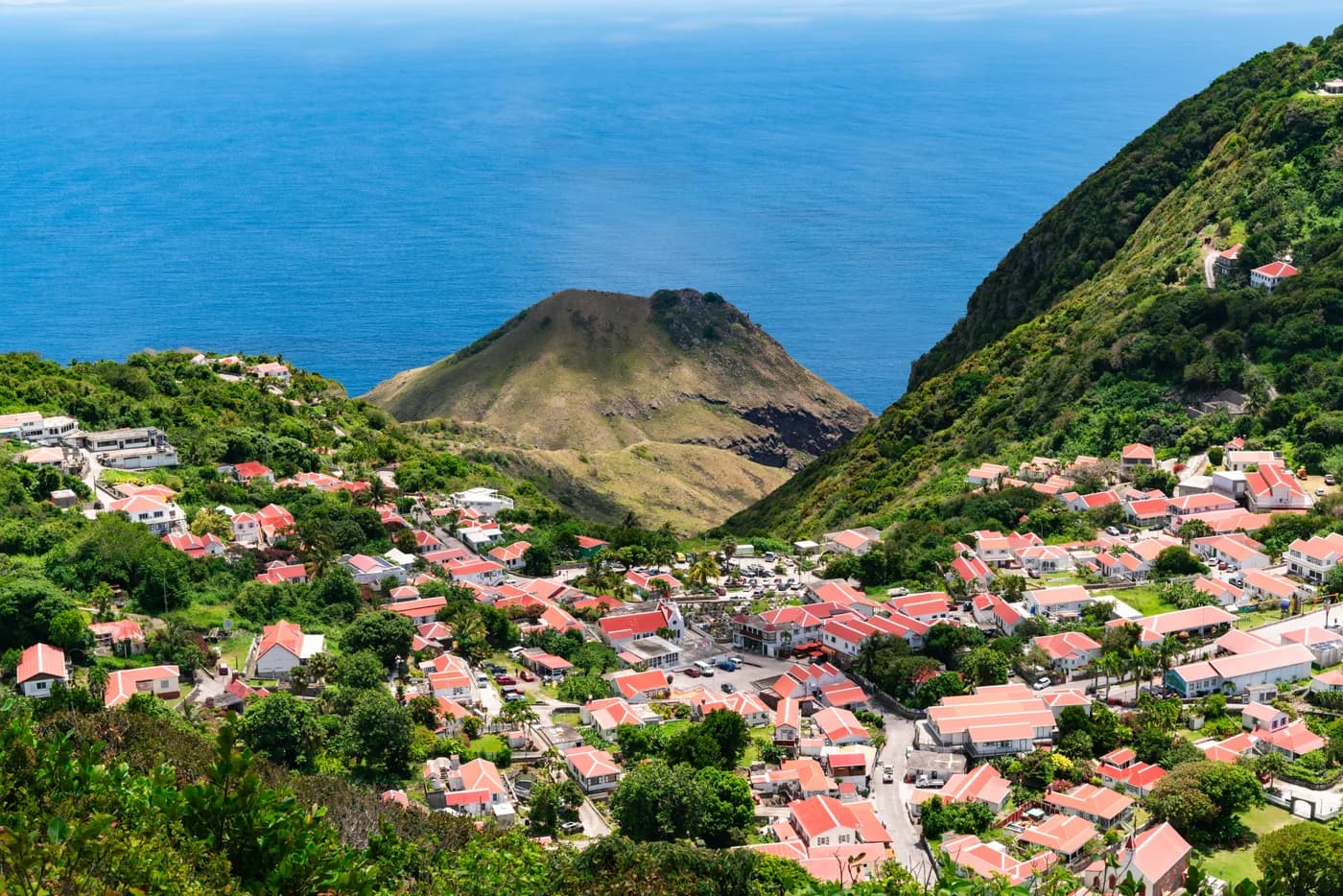
Saba offers boutique hotels, charming cottages, and private villas instead of large resorts. Whether you're looking for a full-service hotel or a quiet island retreat, every accommodation is just a short drive from Fort Bay Harbor.
Good to Know
Complimentary Taxi Shuttle
Complimentary pickup and drop-off between your accommodation and the dive center is included for divers.
No Cruise Ships
Quiet island atmosphere, uncrowded waters, and no mass tourism.
US Dollars Accepted
US dollars are the official currency, and major credit cards are widely accepted.
English Spoken Everywhere
English is the primary language, making communication easy for international visitors.
120V US Power Outlets
Standard US voltage and US-style outlets are used throughout the island.
Safe Drinking Water
Clean, safe drinking water is readily available. Saba Splash, the island's local bottling plant, provides filtered water across the island.
Reliable Internet
Fiber Internet and Starlink are widely available.
Short Boat Rides
Most dive sites are 5–15 minutes from the Fort Bay Harbor.
What to Bring
Required
- Certification card or digital certification
- Dive computer — required on every dive; rentals available
- Logbook or digital dive history
- Swimwear
- Towel
- Reusable water bottle
Optional
- Personal dive gear
- Underwater camera
- Reef-safe sunscreen
- Hat or light jacket for the boat ride
- Dry bag
- Motion sickness medication if needed
Rental equipment is available, including BCD, regulator, wetsuit, mask, fins, and dive computer.
Restaurants & Cafés
Saba has a small but genuinely good dining scene. Most restaurants are intimate, owner-operated, and reflect the character of the island. Because the island is small and supplies arrive by boat, menus change with availability and not every restaurant is open every night.
Practical Tips
- Reservations are strongly recommended, especially for dinner. Many restaurants are small and fill quickly.
- Opening days vary and can change seasonally. Call ahead or ask your accommodation to confirm.
- Most restaurants are in Windwardside, within walking distance of the main hotels.
- Saba has a craft brewery: Deep Dive Brewing Co. Cold beers are available at most restaurants and the dive center after your dives.
Local Dining
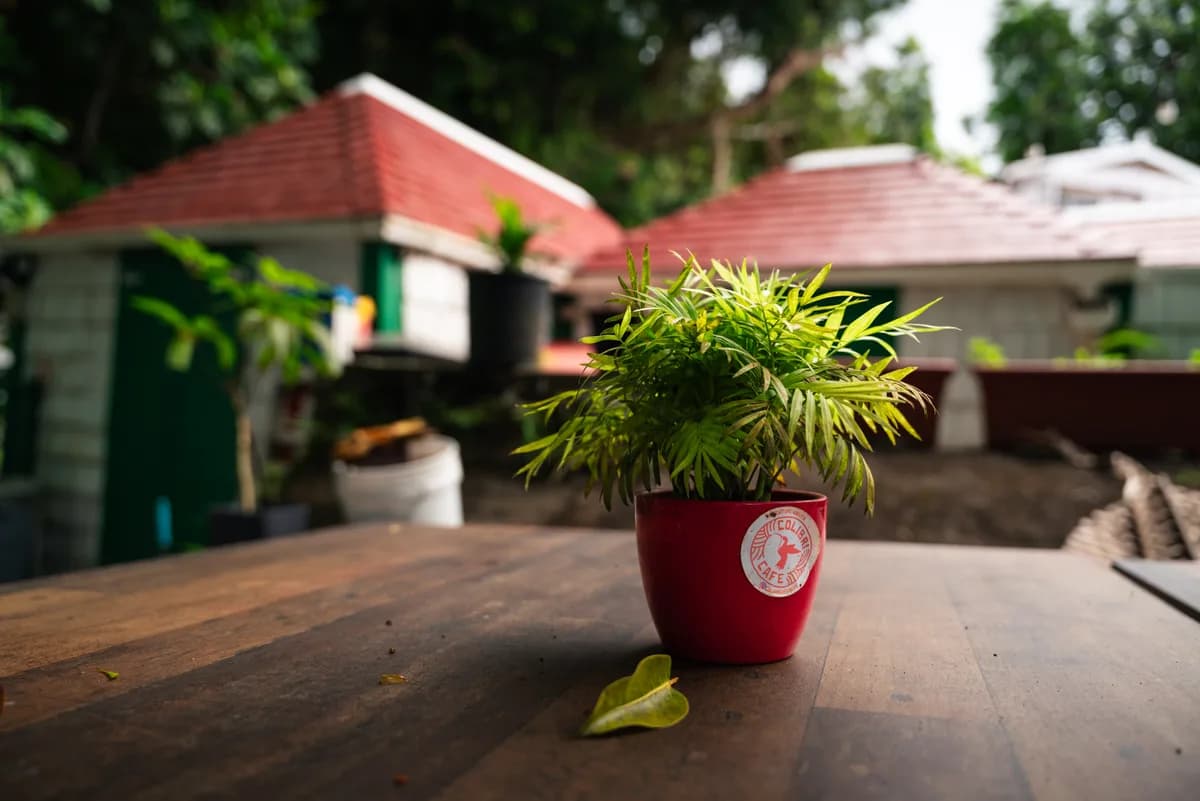
Saba's dining scene is as welcoming as the island itself. From fresh Lobster overlooking the Caribbean to casual cafés and cozy local favorites, you'll find a surprising variety of excellent restaurants despite the island's small size. Most are independently owned, reservations are recommended during busy periods, and nearly all are just a short drive from your accommodation or the harbor.
Our Recommended Partners
Looking for our favorite places to eat, stay, and explore?
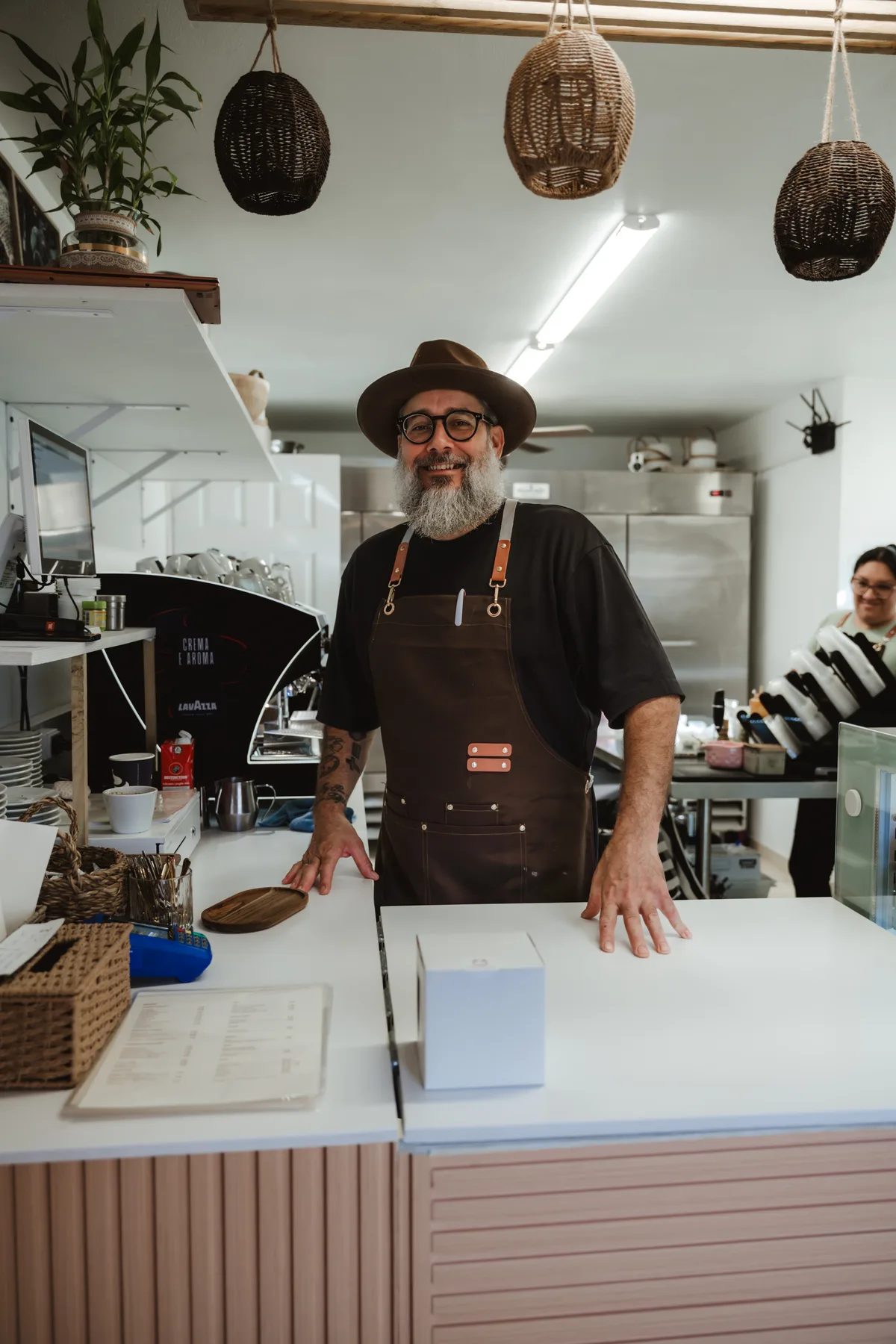
We've curated a collection of restaurants, accommodations, transportation providers, and local experiences that we confidently recommend to our guests. Browse our favorite local businesses to help you plan the perfect stay on Saba.
Explore Recommended Partners →Things to Do on Saba
Saba offers far more than world-class diving. Spend a day hiking through cloud forests, exploring local art galleries, snorkeling crystal-clear waters, enjoying a sunset cruise, or discovering one of the Caribbean's most unique island communities.
Traveling with a Non-Diver?
Saba is a rewarding destination even if you never put on a tank. While you dive, your companion can join the afternoon snorkel trip — it shares the boat with the afternoon dive, so you can still spend the day on the water together. On land, the trail network, village cafés, galleries, and craft shops fill a day easily, and a sunset cruise is an evening out everyone can share. For more ideas, browse our recommended partners.
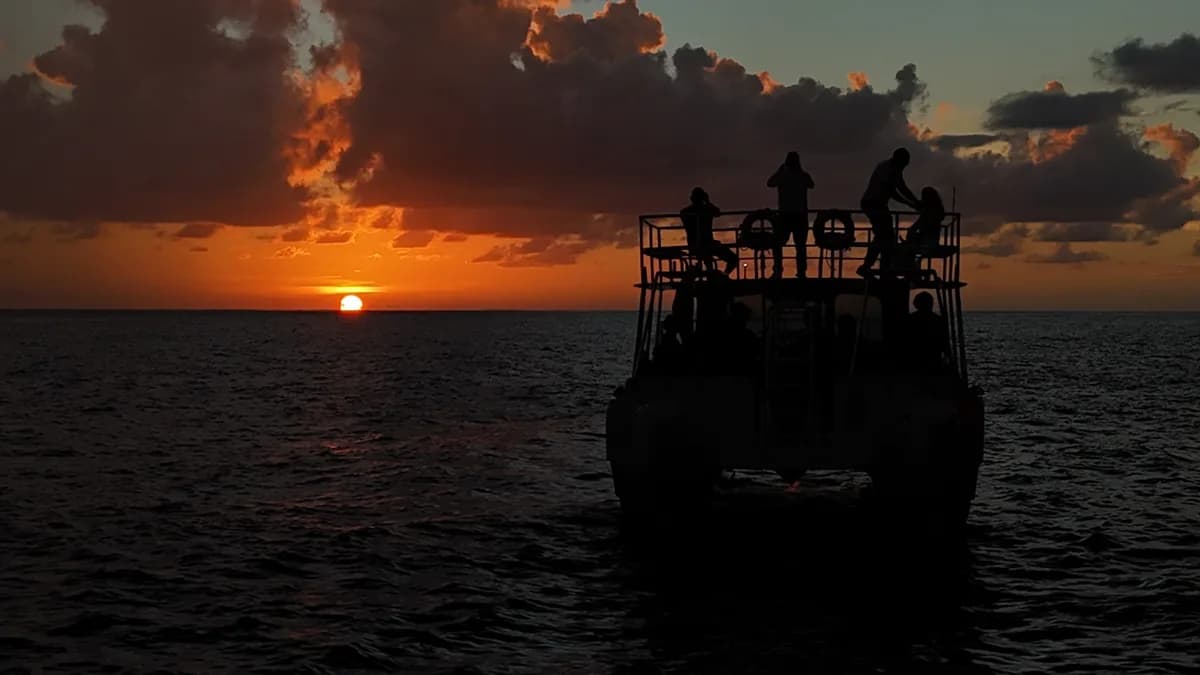
Sunset Cruise
Sea Saba offers both shared and private sunset cruises along Saba's dramatic coastline. Relax with a drink in hand as the sun sets over the Caribbean, enjoy spectacular views from the water, and experience the island from a completely different perspective.
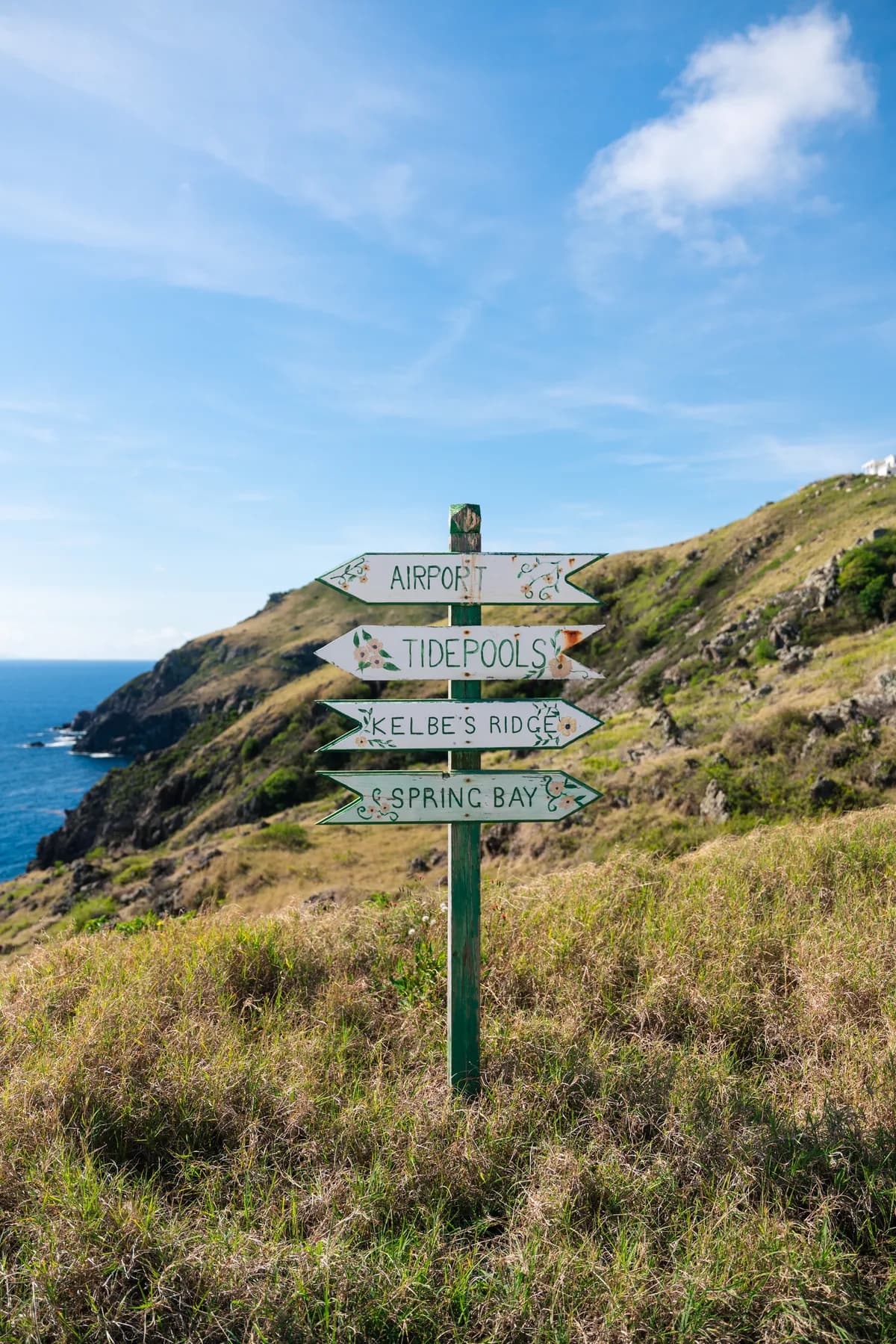
Hiking on Saba
Saba's award-winning trail network winds through dry coastal hillsides, lush rainforest, and misty cloud forests near the summit of Mount Scenery. Free trail maps are available.
Highlights include the climb up Mt. Scenery, the rugged Sandy Cruz Trail, and coastal walks with views of Statia, St. Kitts, and Nevis. Trails range from easy coastal strolls to strenuous rainforest hikes.
Explore Saba Hiking Trails →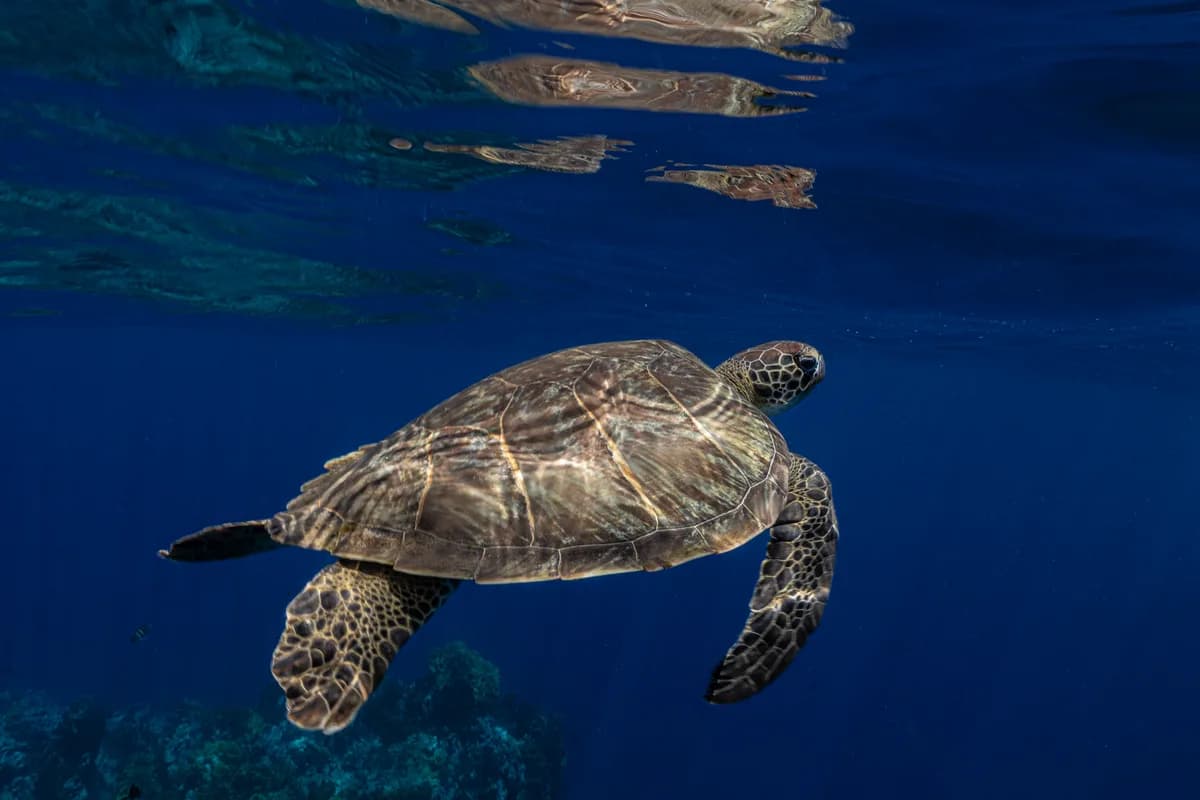
Snorkeling
Saba's shallow reefs are excellent for snorkeling. The afternoon snorkel trip runs alongside the dive boats, so snorkelers stay at the surface while divers go deeper. No certification required.
Book a Snorkel Trip →Arts & Crafts
Saba has a vibrant community of local artisans producing handmade crafts, jewelry, glass art, pottery, and the famous Saba Lace. Many pieces are inspired by the island's marine life, volcanic landscape, and Caribbean culture.
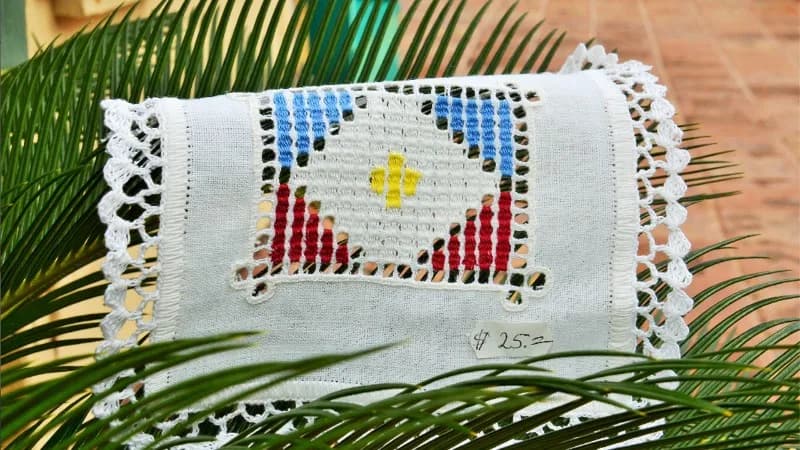
Saba Lace
Saba Lace is one of the island's most recognizable traditions. This delicate needlework has been made by hand for generations and is still sold in local shops today. Each piece carries the patience and skill of the artisan who made it.
Ask Us About Saba Lace →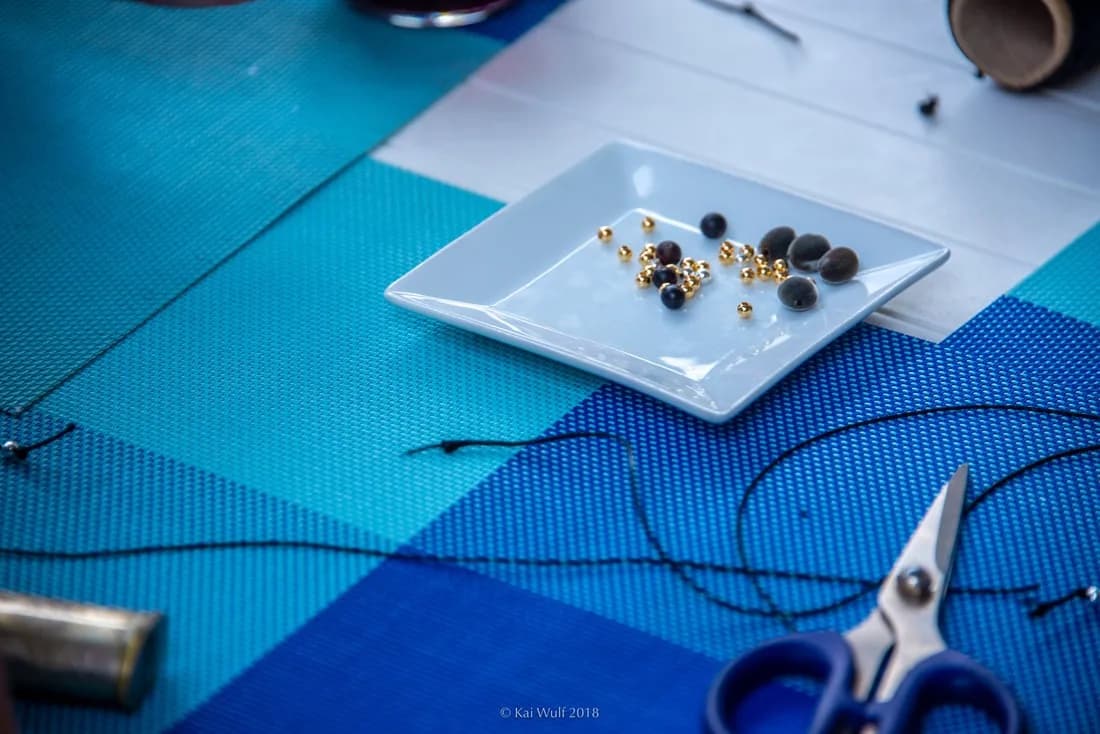
Jewelry Making
Local jewelers work with volcanic stone, sea glass, and silver to create pieces inspired by Saba's colors and textures. Many designs are made entirely by hand and can only be found here.
Ask Us About Local Jewelry →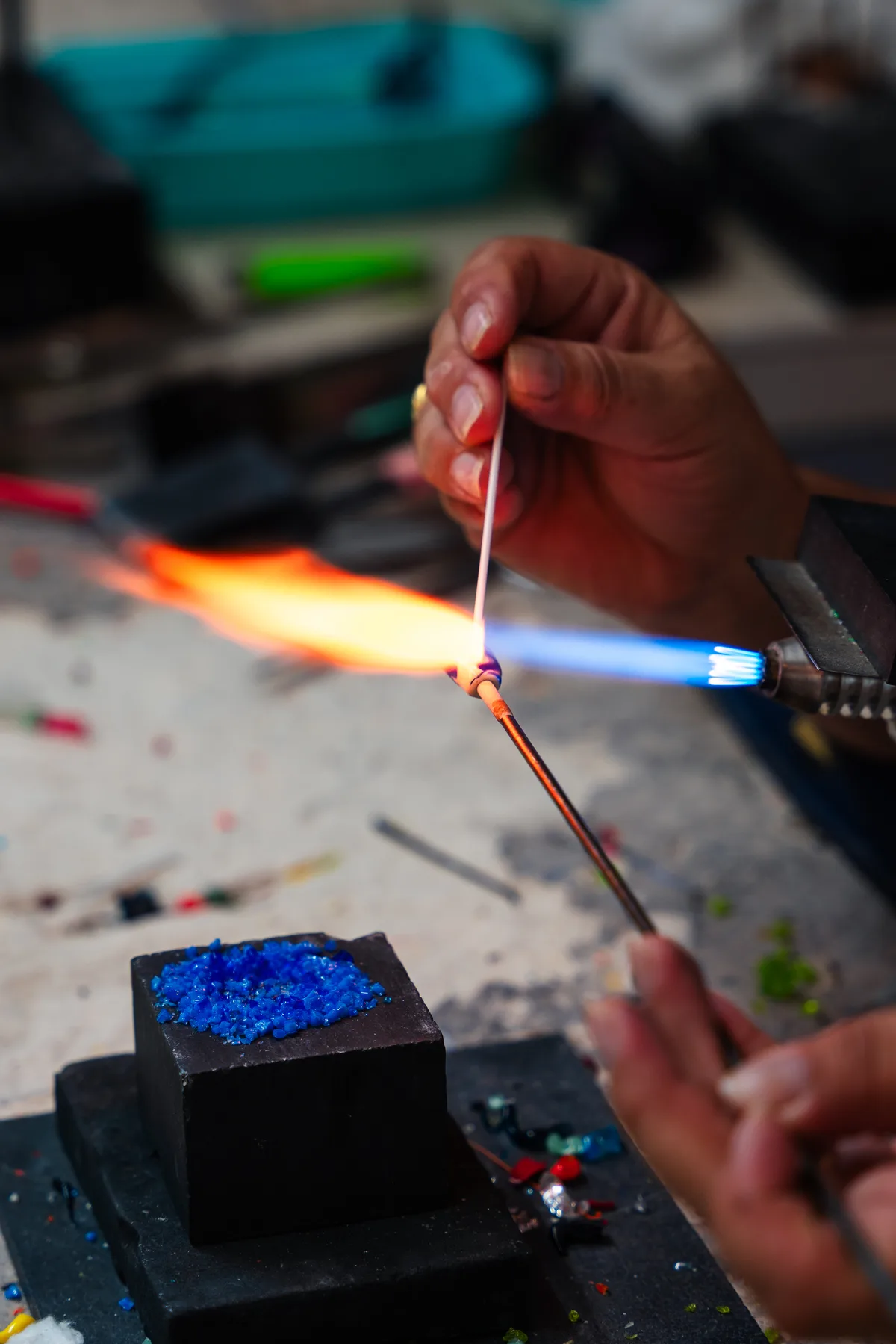
Glass Art
Skilled artisans transform molten glass into unique handmade pieces right before your eyes. Visitors can watch the process and take home one-of-a-kind ornaments, jewelry, and art inspired by the island.
Ask Us About Glass Art →The Island of Saba
Saba is a five-square-mile volcanic island and Special Municipality of the Netherlands, rising dramatically from the Caribbean Sea to the 887-meter (2,910-foot) summit of Mount Scenery. Home to around 2,000 residents and almost no flat land, the island's dramatic landscape has shaped its history, culture, and way of life.
The Ladder
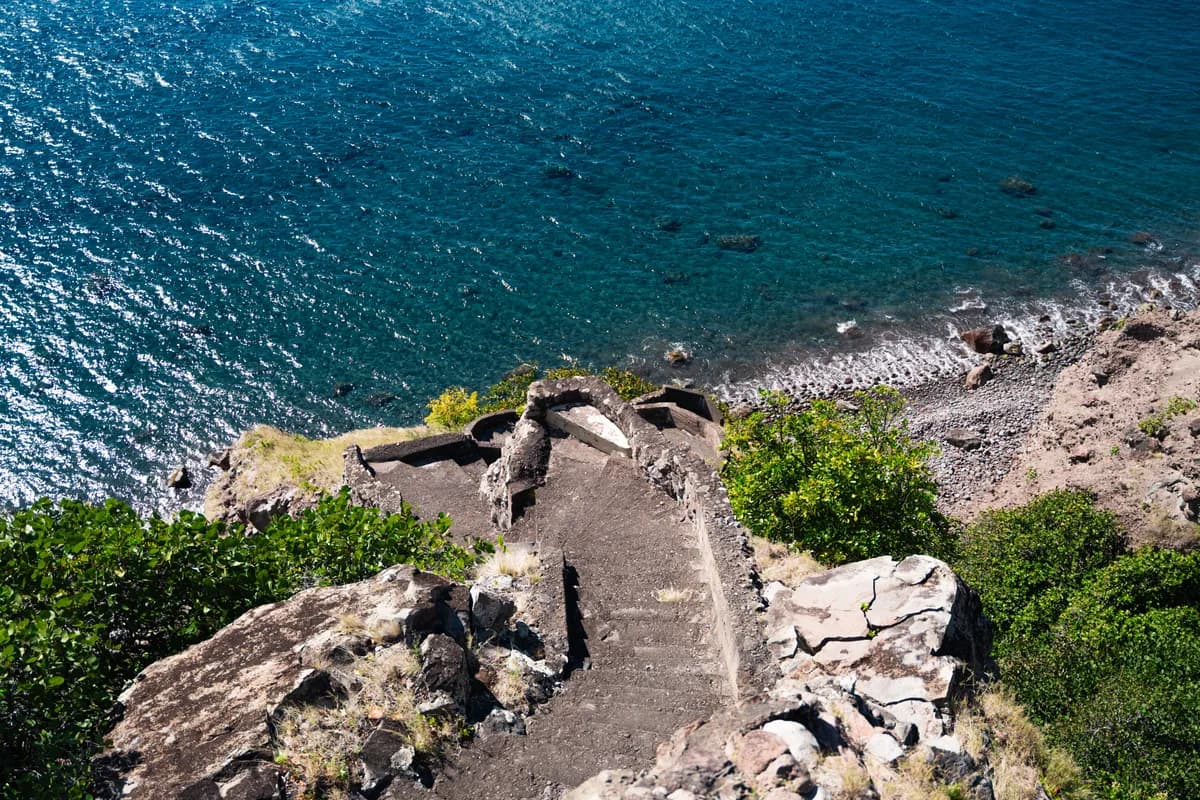
Long before Saba had roads or a harbor, everyone and everything reached the island by climbing The Ladder: nearly 800 stone steps carved into the cliffs. From food to building materials, everything was carried by hand from the shoreline to the villages above.
Today, The Ladder remains one of Saba's most important historic landmarks. The restored trail is a rewarding hike that combines history with spectacular coastal views.
The Road That Couldn't Be Built
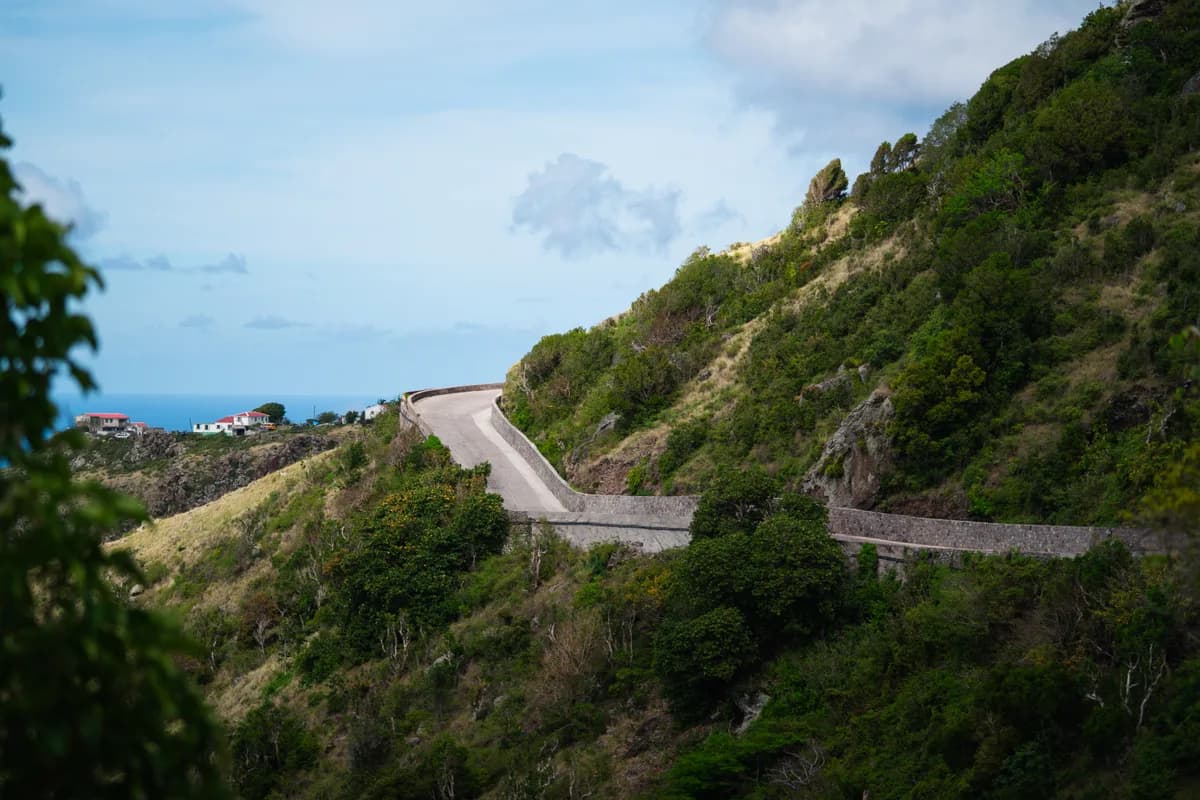
For generations, experts insisted Saba's steep volcanic slopes made a road impossible, earning it the nickname "The Road That Couldn't Be Built." Saban engineer Josephus Lambert Hassell taught himself road construction and led the effort to connect the island's villages.
Completed in stages during the mid-20th century, the road transformed life on Saba by linking Windwardside, The Bottom, Hell's Gate, St. Johns, and Fort Bay. Today, it is one of the Caribbean's most scenic drives and a tribute to Saban perseverance.
A Unique Caribbean History
Saba has been continuously inhabited since the 1640s, when Dutch settlers established the island's distinctive architecture of white-walled cottages with red roofs, a style still found throughout Windwardside and The Bottom today. The island changed hands between European powers multiple times before settling permanently under Dutch administration.
Because the island has no natural harbor, all cargo and visitors historically arrived by small boat through Fort Bay, making Saba one of the most isolated communities in the Caribbean for centuries.
Saba Today
- Special Municipality of the Netherlands since 2010
- No cruise ships, no casinos, no large resorts
- Home to the Saba University School of Medicine
- Known for artisan crafts, including Saba lace and glass-melting
- The Bottom is the capital; Windwardside is the main village for tourism
- Protected by the Saba Marine Park, established 1987
Many visitors leave asking how they can give something back to the island. See ways to support Saba.
Frequently Asked Questions
How do I get to Saba?
Most visitors travel through St. Maarten and connect to Saba by Winair flight or Makana Ferry. Sea Saba is located at Fort Bay Harbor, where most dive trips depart.
How many days should I stay?
Most divers are happiest with 5–7 days on Saba. This gives you time for multiple dive days, a weather buffer, and a chance to enjoy hiking, restaurants, and island exploring.
Is Nitrox included?
Complimentary 32% Nitrox is included for certified Nitrox divers. Please bring proof of Nitrox certification.
Do I need a rental car?
Not usually. Sea Saba provides transportation for scheduled dive trips, and taxis are available for restaurants, hikes, and island exploring. Some guests still prefer a rental car for extra flexibility.
Is Saba crowded?
No. Saba has no cruise ships, no mega resorts, and very little mass tourism. The island is quiet, natural, and best suited for travelers looking for something different.
Is Saba good for non-divers?
Yes. Hiking, restaurants, birdwatching, art workshops, glass melting, scenic views, and a relaxed island atmosphere make Saba enjoyable for non-divers too.
Ready for Saba?
We'll help with accommodations, transportation, and diving so you can focus on enjoying one of the Caribbean's most pristine marine parks.